
Home › Blog › Why Is Moringa Called a Superfood? What the Leaf Really Offers
Why Is Moringa Called a Superfood? What the Leaf Really Offers
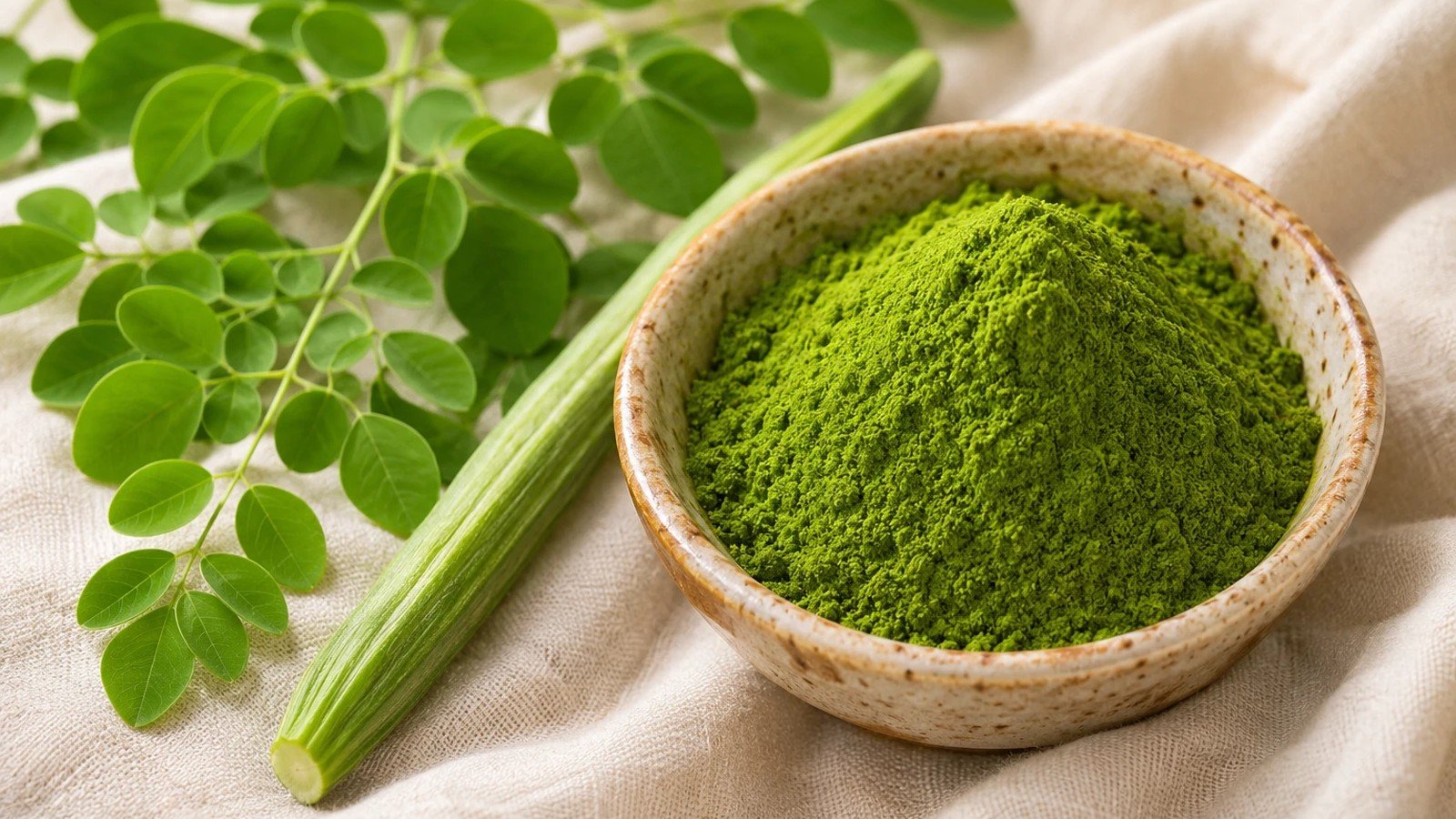
Walk through almost any village in Sri Lanka's dry zone and you will spot a tall, feathery tree with long green pods hanging from it. That is moringa, and in recent years its leaves have turned up in smoothies, capsules and tea bags around the world, usually with the word "superfood" attached.
It is a fair question whether the label is deserved. Here is what the leaf really offers, what the research does and does not show, and how to use it in the kitchen.
The short answer: Moringa leaves are called a superfood because they are unusually nutrient-dense for a leafy green, containing protein, vitamin A precursors, vitamin C, iron, calcium and plant antioxidants. "Superfood" is a marketing term, though, not a scientific one, and the evidence for specific health effects in people is still limited and mixed.
What is moringa?
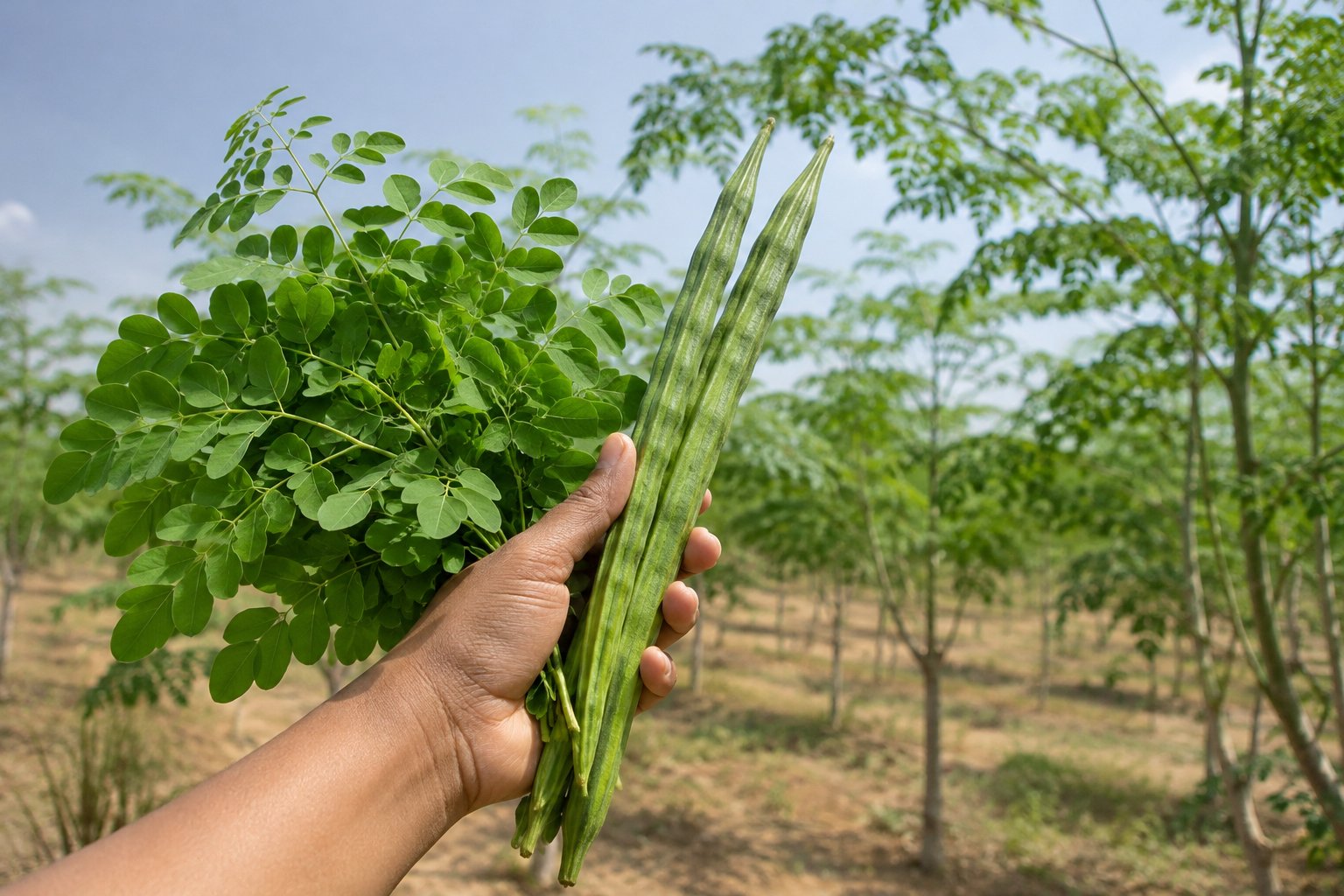
Moringa oleifera is a fast-growing tree native to the foothills of the Himalayas and now grown across the tropics. In Sri Lanka it is known as murunga in both Sinhala and Tamil, and in English as the drumstick tree because of its long, slender pods.
It thrives in the hot, dry conditions of the north and east of the island, and many households keep a tree in the garden. Almost every part is eaten: the pods go into curries, the flowers are cooked, and the young leaves are used as a green vegetable.
Why is moringa called a superfood?
The label comes mainly from nutrient density. Per gram of dried leaf, moringa is a source of protein, fibre, iron, calcium and vitamin A precursors (carotenoids), as well as vitamin C and a range of plant compounds such as polyphenols and flavonoids. Exact figures vary with the variety, the soil, the harvest and how the leaf is dried, so be wary of any label that quotes very precise numbers without a source.
It helps to keep portion size in mind. Dried leaf is concentrated, but you will only eat a teaspoon or two at a time, so it is best seen as a nutritious addition to meals, not a replacement for a varied diet.
What does the evidence actually show?
Laboratory studies have found antioxidant activity in moringa leaf extracts, and small human trials have looked at a number of outcomes. Reviews, however, describe the human evidence as limited, with small studies, differing doses and inconsistent results. Research is ongoing.
For this reason the European Union has not authorised any health claims for moringa, and you should be sceptical of products that promise specific benefits. In Sri Lanka the leaves are traditionally eaten as everyday food and in home remedies, which is a matter of culture and tradition, not proof of effect.
Leaf powder or tea: which should you choose?
| Form | What you get | Best for |
|---|---|---|
| Leaf powder | The whole ground leaf, so you eat the leaf itself | Smoothies, soups, sauces, baking |
| Tea bag cut leaf | Leaf pieces steeped in hot water; you drink the infusion, not the leaf | A mild, grassy hot or iced drink |
With powder you consume the whole leaf, while with tea you get only what dissolves into the water. Both are useful; they simply suit different habits.
How do you use moringa in cooking?
Start small and build up. A few ideas:
- Smoothies: half a teaspoon blended with banana, mango or pineapple hides the flavour well.
- Soups and dhal: stir in a teaspoon at the end of cooking.
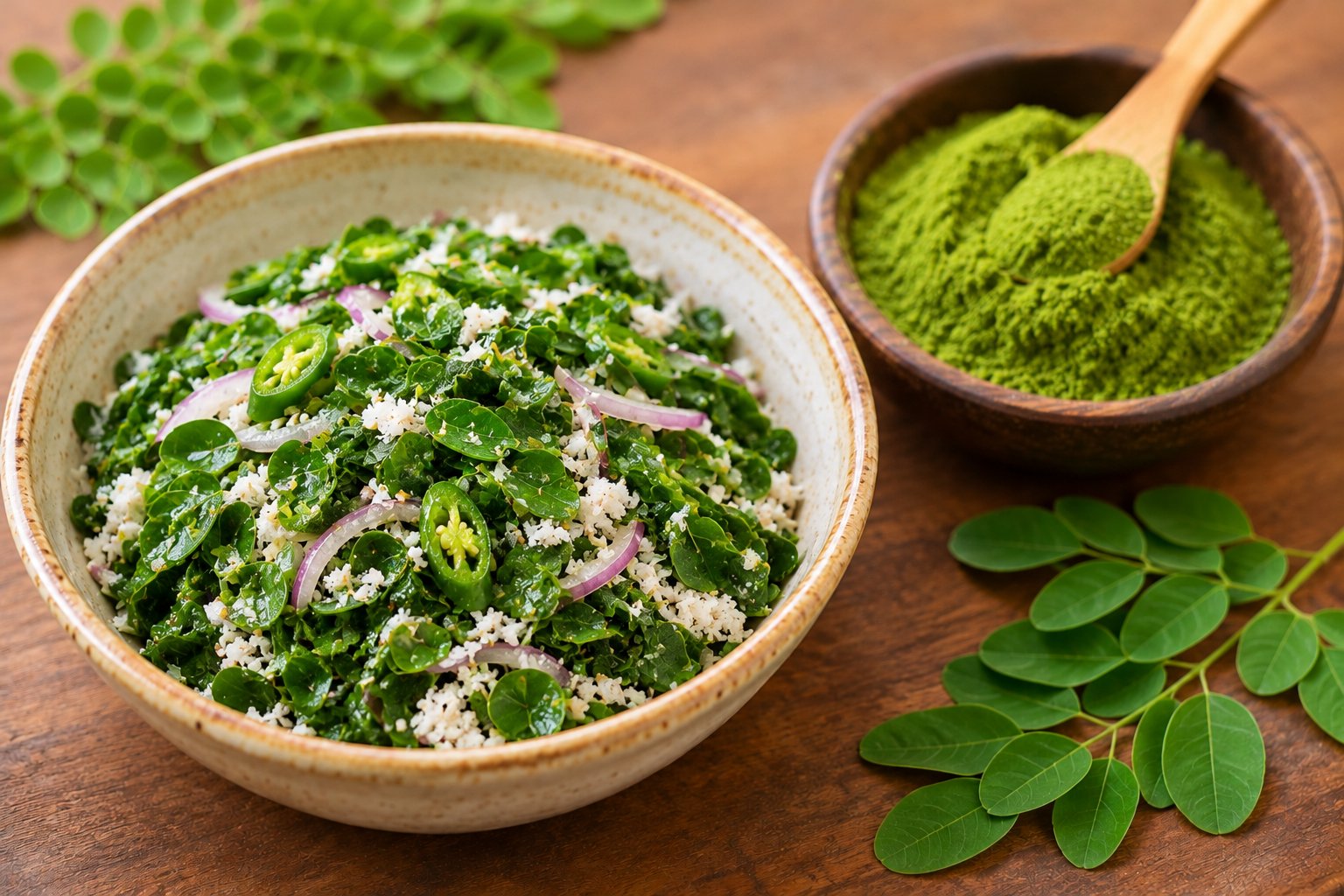
- Murunga leaf curry or mallung: the classic Sri Lankan way. Fresh leaves are stripped from the stem and cooked briefly with grated coconut, onion, green chilli and a pinch of turmeric. Dried powder can be mixed into a mallung to boost the green colour.
- Baking and batters: add a little to roti, pancakes or hoppers batter.
What does moringa taste like, and how much should you use?
Expect an earthy, slightly bitter, grassy taste, a little like spinach or matcha with a peppery edge. Powder is stronger than fresh leaf, so a little is plenty.
A common food-style amount is about half to two teaspoons of powder a day, mixed into meals. Introduce it gradually, since large amounts may upset the stomach. Use the amount on the pack, and ask a health professional if you are unsure.
Is moringa safe?
As a food, the leaf is widely eaten. Concentrated supplements are different, and a few cautions apply:
- Pregnancy and breastfeeding: leaf is generally eaten as food, but avoid concentrated supplements unless advised by a doctor.
- Medicines: if you take medication, especially for blood pressure, blood sugar or thyroid conditions, check with a doctor or pharmacist before taking moringa supplements.
- Root and bark: avoid these. They contain compounds that can be harmful and are not used as food.
What should you look for when buying moringa powder?
- Colour: a fresh, medium green. Dull brown or grey suggests old leaf or poor drying.
- Smell: clean and grassy, never musty or burnt.
- Mesh size: a fine, even grind (for example 80 to 100 mesh) mixes better into drinks.
- Microbiology: ask for test reports for total plate count, yeast and mould, E. coli and Salmonella, and for heavy metals.
- Origin and traceability: know where the leaf was grown and how it was dried.
If you are a food or beverage brand sourcing in bulk, you can browse our herbal powders and tea bag cut herbs, or Request samples of moringa leaf powder and tea bag cut leaf.
Sources
- Stohs SJ and Hartman MJ, Review of the safety and efficacy of Moringa oleifera, Phytotherapy Research (2015)
- USDA FoodData Central
- EU Register of nutrition and health claims
- European Food Safety Authority (EFSA)
This article is for general information and is not medical advice.
Sourcing Sri Lankan herbs for your brand?
Sheora Ceylon supplies herbal teas, herbal powders and Ceylon spices from Sri Lanka in bulk, white label and private label. Samples and certificates of analysis are available on request.
Send an inquiryThis article is for general information only and is not medical advice. Talk to a qualified health professional before using herbs or herbal products to manage a health condition, especially if you are pregnant, have a medical condition or take medication.