
Home › Blog › Ceylon Cinnamon for Bakeries: Flavour, Coumarin and EU Limits
Ceylon Cinnamon for Bakeries: Flavour, Coumarin and EU Limits
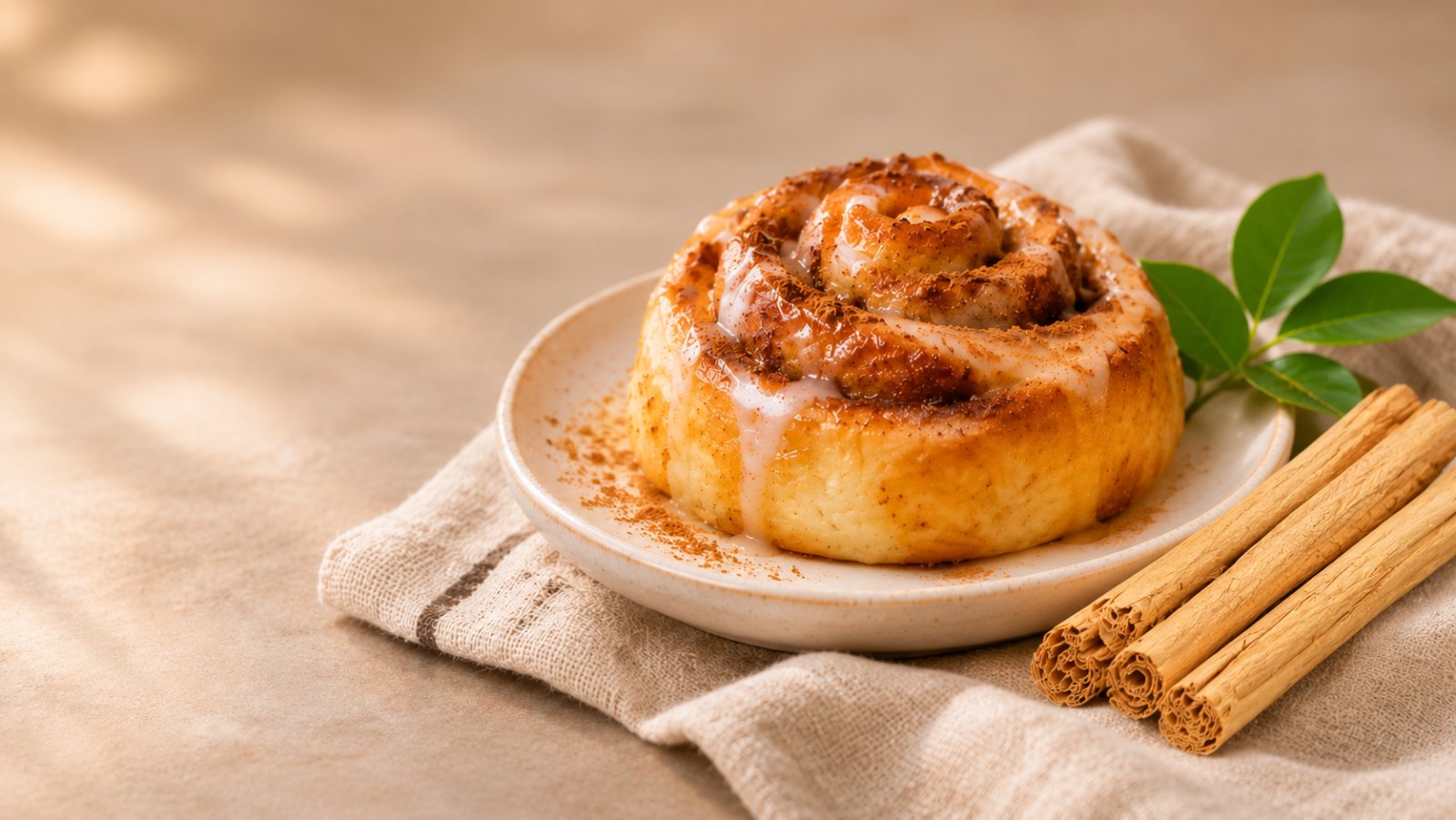
Cinnamon rolls, speculaas, cinnamon stars and apple strudel all depend on cinnamon. In the EU they also have to stay under legal limits for coumarin, a natural compound found in much larger amounts in cassia than in Ceylon cinnamon. This guide is for bakery buyers, product developers and ingredient importers who want to understand those limits and choose the right cinnamon.
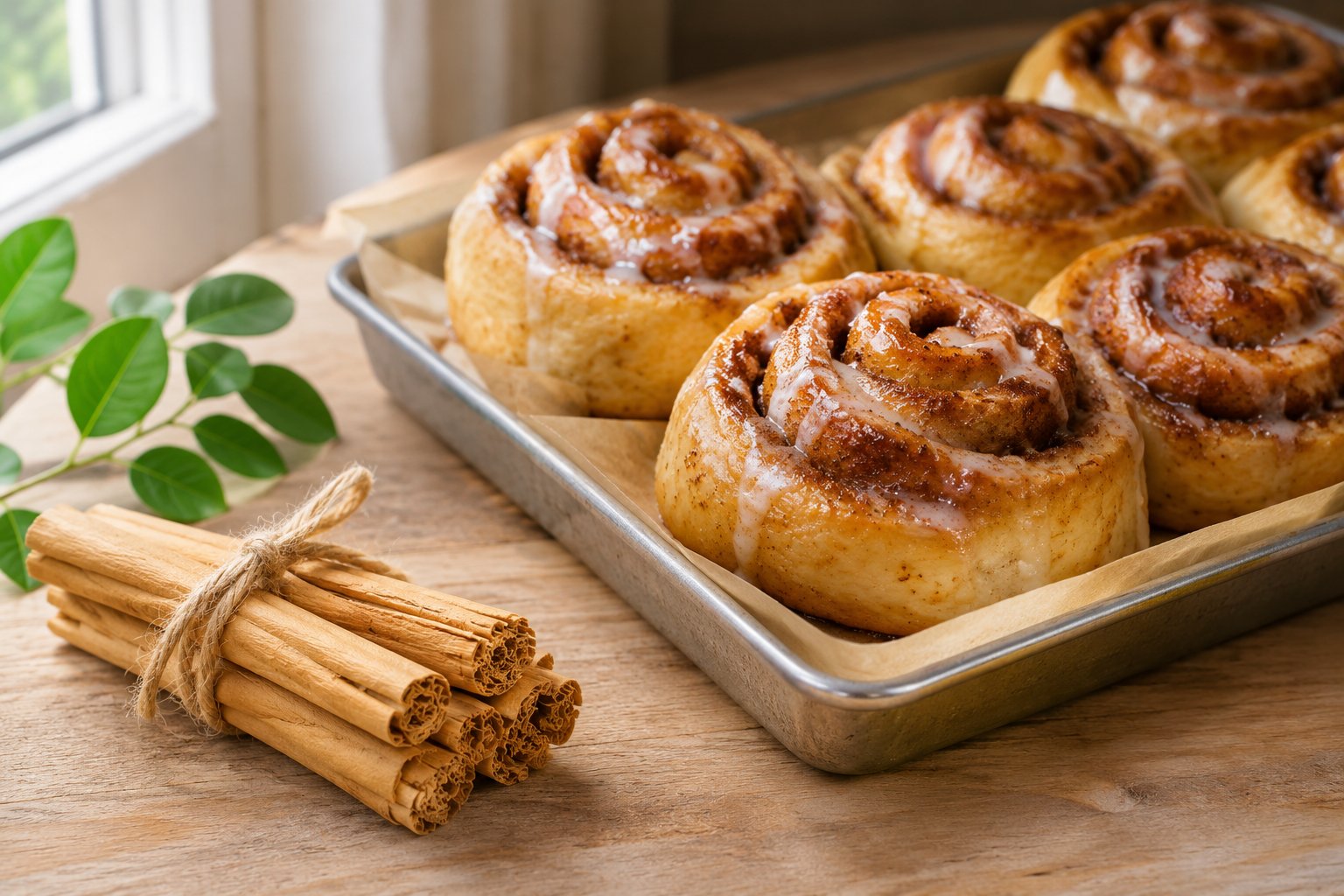
The short answer: The EU limits coumarin in some baked goods, for example 50 mg/kg in traditional or seasonal bakery ware that mentions cinnamon on the label and 15 mg/kg in other fine bakery ware. Cassia can contain far more coumarin than Ceylon cinnamon, so Ceylon gives cinnamon-heavy recipes more headroom under these limits. Exact levels vary by lot, so ask your supplier for a coumarin test result for every lot.
What is coumarin and why does it matter for bakeries?
Coumarin is a flavouring compound that occurs naturally in cassia cinnamon and in some other plants. It has a sweet, hay-like smell. It is not an additive that bakers add on purpose; it comes with the cassia.
The European Food Safety Authority (EFSA) has set a tolerable daily intake (TDI) for coumarin of 0.1 mg per kg of body weight per day. Because regular intake above this level is not advised, regulators limit how much coumarin may be present in certain foods.
For a bakery, this turns into a practical question: if your recipe uses a lot of cinnamon, will the finished product stay within the legal limit for its category?
What are the EU coumarin limits for baked goods?
Coumarin limits are set in Regulation (EC) No 1334/2008 on flavourings, Annex III Part B. The limits that matter most to bakeries are:
| Food category | Maximum coumarin |
|---|---|
| Traditional and/or seasonal bakery ware containing a reference to cinnamon in the labelling | 50 mg/kg |
| Breakfast cereals including muesli | 20 mg/kg |
| Fine bakery ware, with the exception of traditional and/or seasonal bakery ware containing a reference to cinnamon in the labelling | 15 mg/kg |
| Desserts | 5 mg/kg |
Two points are worth noting:
- The limits apply to the finished food as sold, not to the cinnamon itself. What counts is how much cinnamon ends up in each kilogram of product.
- Which category your product falls into depends on its type and labelling. Check the current regulation text and your national authority's guidance for your own products, and ask your food safety adviser if a product sits on the border between categories.
How much coumarin is in cassia compared with Ceylon cinnamon?
The difference is large. Cassia commonly contains far more coumarin than Ceylon cinnamon. Testing reported by the German Federal Institute for Risk Assessment (BfR) found cassia in the range of grams of coumarin per kilogram, while Ceylon cinnamon contains only traces.
We do not quote a single figure for either, because levels vary by species, origin, harvest and lot. A cassia powder from one supplier can differ clearly from another. This is why a coumarin test result for each lot matters more than any average.
The practical effect for a baker: a recipe that uses cassia at a normal cinnamon level may come close to a limit, or exceed it, in a cinnamon-heavy product. The same recipe made with Ceylon cinnamon is far less likely to have a problem, although you should still confirm this with test results for the cinnamon you actually buy.
Why do bakers choose Ceylon cinnamon?
Flavour
Ceylon cinnamon tastes sweeter and more delicate than cassia, with light citrus notes. It adds a rounded cinnamon aroma without the sharp, sometimes bitter edge of cassia, which suits enriched doughs, creams and fillings.
Headroom under coumarin limits
Products where cinnamon is the main flavour, such as cinnamon rolls, speculaas and cinnamon stars, are the ones most likely to run into coumarin limits when made with cassia. Ceylon cinnamon gives you room to use the amount your recipe needs.
A clear origin story
Since 2022, "Ceylon Cinnamon" has been an EU Protected Geographical Indication (PGI). The name is reserved for cinnamon from Sri Lanka, so a "Ceylon cinnamon" claim on your label carries a defined meaning that customers and inspectors can check.
Which form of Ceylon cinnamon is best for baking?
It depends on how you work:
- Fine powder: the usual choice for doughs, fillings, glazes and cinnamon sugar. It disperses evenly and needs no extra grinding.
- Quillings: broken pieces of quills, useful if you prefer to grind in-house for fresh aroma or want to infuse milk and syrups.
- Tea bag cut: a coarse cut made for infusions. It is not suited to baking, because it will not blend smoothly into dough or filling.
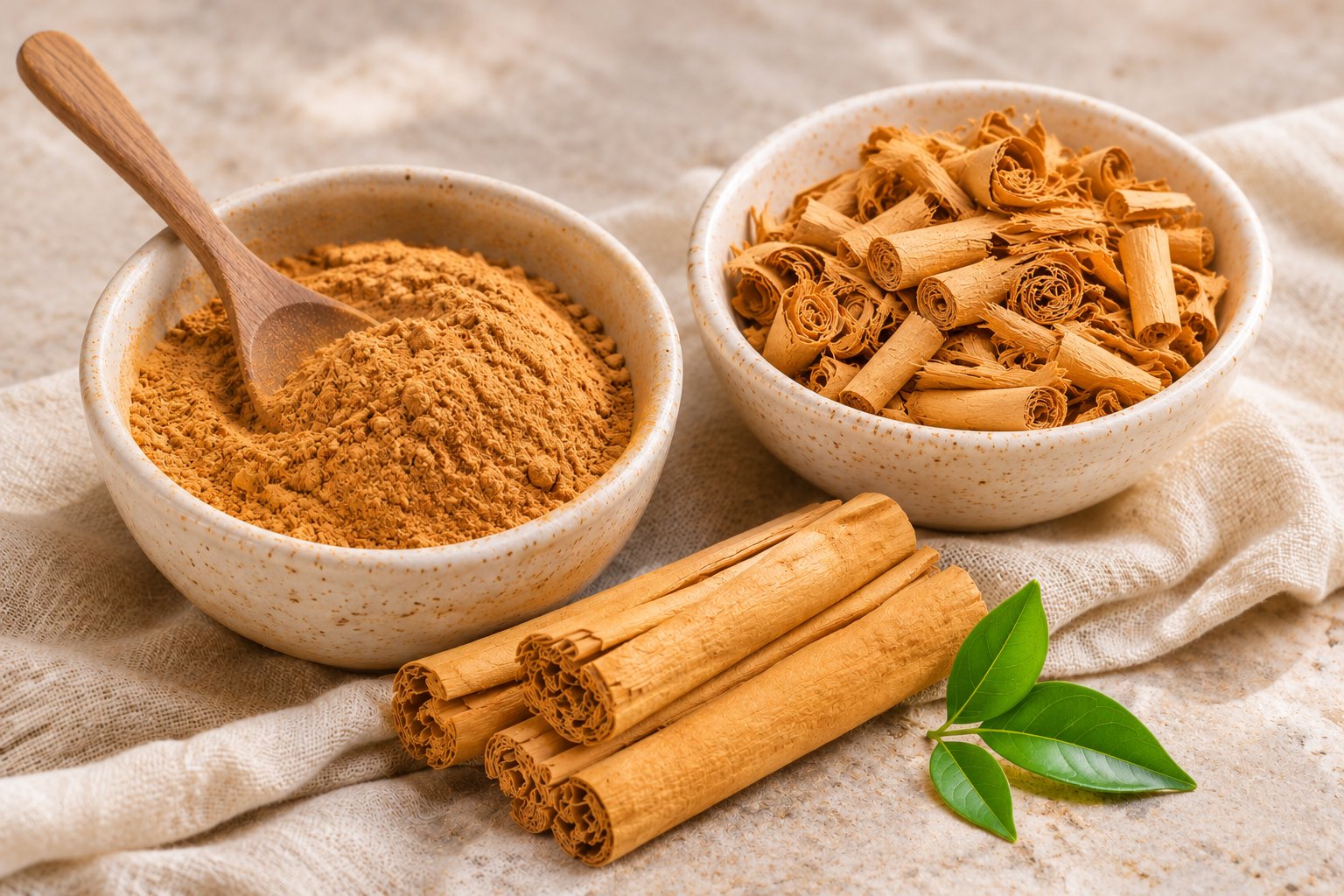
When you buy powder, also check these specifications:
- Mesh size: a finer grind mixes more evenly; ask for the mesh the supplier mills to.
- Moisture: low moisture helps shelf life and keeps the powder free-flowing.
- Steam sterilisation: steam-treated powder usually has lower microbial counts, which matters for products that are not baked after the cinnamon is added, such as fillings and toppings.
- Certificate of analysis (CoA) per lot: so every delivery is backed by its own test results.
How much Ceylon cinnamon should a bakery use?
There is no fixed number, because it depends on the recipe, the product and the flavour you want. What we can say is that Ceylon cinnamon is milder than cassia, so a recipe developed on cassia often needs more Ceylon to give the same intensity.
A sensible approach:
- Start from your current recipe and bake small trial batches with Ceylon cinnamon at the same level.
- Adjust upward in small steps until the flavour matches what you want.
- Check that the finished product's coumarin stays within the limit for its category, using the lot's test result and your own calculation, or an analysis of the finished product.
- Record the final level in the recipe and keep the CoA for each lot with your batch records.
What should you ask a cinnamon supplier?
Use this checklist when you request samples or quotes:
- Species and origin: Cinnamomum verum from Sri Lanka, not cassia sold as "cinnamon".
- Grade and mesh: the quill grade the powder is made from, and the mesh size.
- Coumarin test result: for each lot, with the method used.
- Microbiology: including Salmonella, total plate count, yeast and mould.
- Moisture content: and how it is controlled.
- Pesticide residues: tested against EU limits.
- Steam sterilisation: whether it is done, and how it is documented.
- Packaging: bag or drum size, liner, and storage advice.
- Lead time: and how much stock is available for repeat orders.
- Samples: a pre-shipment sample from the actual lot, not only a reference sample.
Sheora Ceylon supplies Ceylon cinnamon powder and quillings in bulk, with test reports for each lot. You can read more on our Ceylon cinnamon page, or send an inquiry to request samples and specifications.
Sources
- EUR-Lex. Regulation (EC) No 1334/2008 on flavourings and certain food ingredients with flavouring properties.
- EFSA. Coumarin in flavourings and other food ingredients with flavouring properties: scientific opinion.
- BfR (German Federal Institute for Risk Assessment). Frequently asked questions about coumarin in cinnamon and other foods.
- European Commission. eAmbrosia geographical indications register (search for "Ceylon Cinnamon").
Sourcing Sri Lankan herbs for your brand?
Sheora Ceylon supplies herbal teas, herbal powders and Ceylon spices from Sri Lanka in bulk, white label and private label. Samples and certificates of analysis are available on request.
Send an inquiryThis article is for general information only and is not medical advice. Talk to a qualified health professional before using herbs or herbal products to manage a health condition, especially if you are pregnant, have a medical condition or take medication.